It’s Not Always High Lipase: Why Your Breast Milk May Smell Different After Freezing
In the last post, we talked about how “high lipase” isn’t always the full story when your breast milk smells or tastes off after storage.
Because when you Google “why does my breast milk smell bad?”, almost everything points to” high lipase."
But there’s another piece that almost no one talks about, called oxidation.
We’ve historically called everything “high lipase”… but that’s outdated
When moms notice their frozen milk smells off, the default explanation has almost always been: “You probably have high lipase.”
And sometimes, that’s true (read about that here).
But newer understanding shows that’s not always the case.
In many situations, the change in smell or taste may actually be oxidation, not lipase at all.
What is oxidation?
Oxidation is a chemical reaction that happens when milk is exposed to oxygen. And because some oxygen exposure is unavoidable, this can happen during storage… even when milk is sealed and handled appropriately.
It can change the smell and taste of milk as it sits in the fridge or freezer, completely separate from lipase activity.
The key difference in smell
This is one of the most helpful clues:
“High lipase” → more soapy smell
Oxidation → more metallic or fishy smell
It’s not perfect, but if your milk smells more fishy than soapy… it can be helpful in determining to cause.
Why this changes everything
Because if it’s oxidation:
scalding (we talked about that here) may not fix it
you haven’t done anything wrong
and it’s not about having “too much” of anything
It’s just how your milk is reacting during storage.
Why no one talks about this
For a long time, we just grouped all of this under “high lipase.”
But now we understand that:
multiple processes can change milk over time
and they don’t all respond the same way
Which is why some moms:
scald and it works
scald and it does nothing
or change nothing and baby doesn’t care at all
Is oxidized milk safe?
Yes. Always.
Just like we talked about before: your milk is still safe for your baby!
The only question is whether your baby will take it.
What can you try?
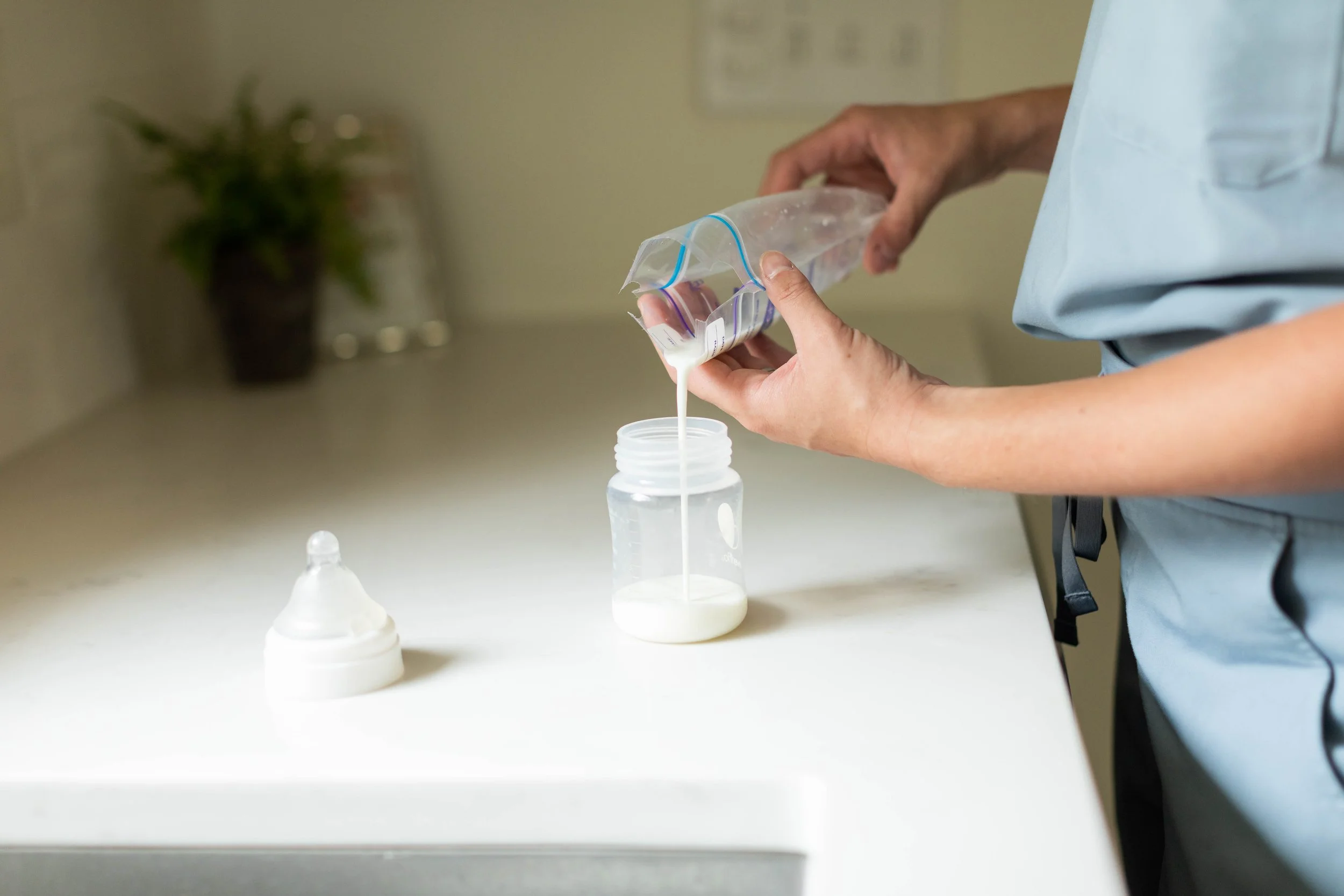
If your baby is refusing your previously frozen breast milk, before jumping to anything complicated: mix fresh milk with stored milk
This often helps balance the taste, regardless of the cause.
A note on diet (from what I’ve seen)
I’ll be honest—there’s not great research on this.
But in my own experience working with moms, I have seen some improvement when:
reducing fish oil supplements (high in omega-3 fats)
or switching away from prenatals that contain fish oil
And occasionally, focusing on more antioxidant-rich foods or even a supplement high in anti-oxidants like Vitamin C, can potentially help as well.
The basic idea:
Some fats are more likely to change when exposed to oxygen… kind of like how certain foods spoil faster.
So the thought is:
less of those easily “changeable” fats that may oxidize more quickly
and more antioxidants (which help protect things from changing)
This may help your milk stay more stable in storage.
Again, this isn’t something we have strong evidence for. But it’s something I’ve personally seen make a difference for some families.
The bottom line
Not all “high lipase” that google will diagnose you with milk is actually high lipase.
Sometimes it’s oxidation. Sometimes it’s a combination of both. And sometimes… your baby wont mind it at all.
Your milk is still safe. Your body isn’t doing anything wrong.
If your baby is taking your milk, you don’t need to change a thing.
And if they’re not, there are a few simple things to try before adding extra steps or stress.
If you’re feeling stuck or just want help figuring out what’s going on for your specific situation, this is exactly the kind of thing we can walk through together in a consultation.